
The 4 Biggest Retirement Regrets and how to Avoid them
A recent survey of retirees in the UK highlighted four common retirement regrets. While the research was conducted in the UK, the lessons are just as relevant in Ireland.
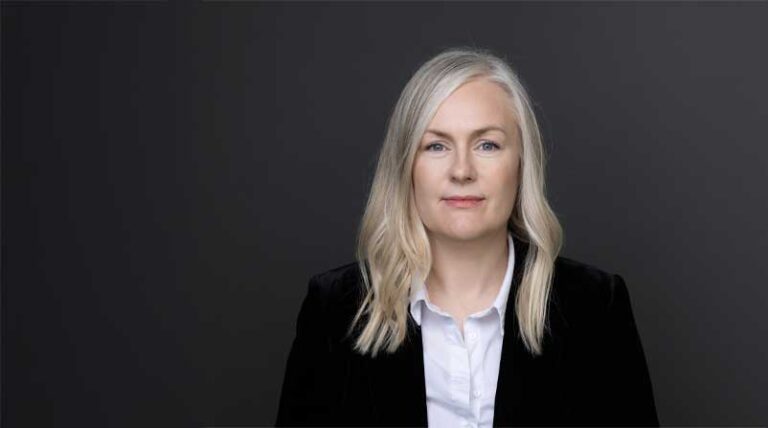
Retirement is one of the biggest financial transitions most people will make, yet many only realise what they should have done once they’ve stopped working. Susan O’Mara of CPAS explores the four most common retirement regrets, explains what they can mean for your financial future, and outlines the practical steps that can still be taken to help achieve a more secure and comfortable retirement.
Here are the four biggest regrets and some practical ways to avoid them.
Not saving enough
The most common regret was simply not putting enough aside during working life. Nearly half of those surveyed said they wished they had saved more for retirement.
What to consider
A major challenge is knowing how much you will need. The Pensions Council’s Irish Retirement Living Standards suggest a “moderate” retirement requires about €27,600 a year for one person and €37,200 for a couple.
The full contributory State Pension is now €299.30 a week, or about €15,563.60 a year, so most people will still need private pension savings to reach that level of income.
Review your pension regularly, register for online access where available, and make sure providers can contact you if you change address or employer.
If you find a shortfall later in life, increasing contributions can still help. Additional Voluntary Contributions (AVCs) may be especially valuable because tax relief is available at your marginal rate.
- Retiring too early (or late)
The right retirement age depends on your health, finances, work satisfaction and family circumstances.
In the survey, some retirees felt they stopped work too early, while others wished they had retired sooner.
What to consider
In Ireland, private pensions can often be accessed from age 50 through an occupational scheme, but retiring early means your pension has longer to support you. Working longer can give your savings more time to grow and may reduce the pressure on your retirement income.
If you keep working past State Pension Age (currently 66), you have the option of deferring your state pension and receiving a higher pension when you do stop working. You can also drawdown your state pension at age 66 and continue working, however, you will pay tax on your total income. If your employer can facilitate it, one option employees might want to consider is reducing their working hours as they get older and easing themselves into retirement both mentally and financially.
- Not planning earlier
Retirement planning is often postponed because working life is busy and immediate demands tend to take priority.
But delay can be costly. In the survey, many retirees said they wished they had planned earlier, and some regretted not taking financial advice. Starting sooner gives you more options, more time to adjust, and a clearer view of whether you are on track.
What to consider
Unexpected costs such as home repairs, car bills or health expenses can put real strain on retirement finances, so it is important to build flexibility into your plan.
Your spending will also change over time. Early retirement may include travel or hobbies, while later years may bring higher healthcare or support costs. A good plan should allow for both the expected and the unexpected.
- Not preparing for the cost of care
Many retirees worry about how they would meet the cost of later-life care if it becomes necessary.
What to consider
In Ireland, the HSE’s Fair Deal Scheme can help with approved nursing home costs, but applicants still contribute based on their income and assets. It also does not cover every extra charge, such as hairdressing, therapies or activities, so families should understand the limits of support before they need it.
The strongest lesson is to start planning early and review your plan regularly as life changes. Know what kind of retirement you want, keep track of your pensions, and take advice if needed. A clear and flexible plan now can make a significant difference later.
Need help with retirement planning?
CPAS helps construction professionals review pension plans and prepare for retirement. We support schemes including CWPS and CERS, with additional financial services through Milestone Advisory DAC.
For more details, contact Susan O’Mara, Business Development Manager, CPAS, via email (susan@cpas.ie) or phone 01 223 4949.
Follow Irish building magazine on LinkedIn for the latest news and updates.