
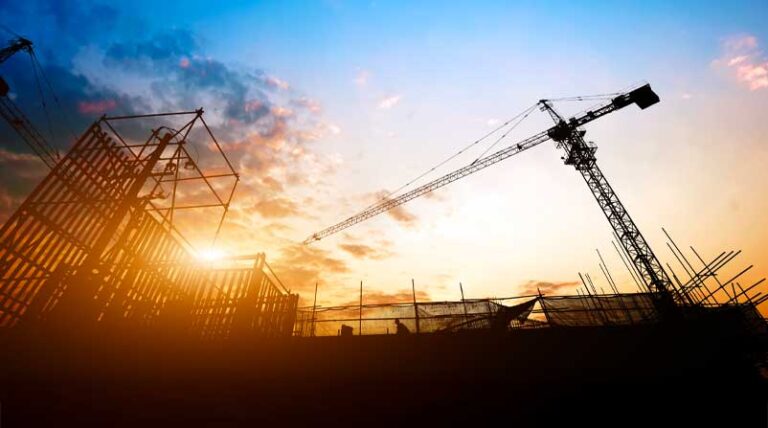
Construction Outlook 2025
The outlook for construction in Ireland in 2025 is shaped by a combination of economic conditions, government policies, and emerging industry trends.
As the country continues to address housing shortages, infrastructure demands, and sustainability goals, the construction sector is expected to remain a key driver of economic activity. However, challenges such as rising costs, labour shortages, and regulatory requirements will also influence the pace and direction of growth.
Housing remains a priority, with the Irish Government continuing to implement measures to accelerate homebuilding and improve affordability. Initiatives such as the ‘Housing for All’ plan aim to increase the supply of homes, particularly in urban centres where demand is highest. Modular construction and other innovative building methods are expected to play an increasing role in meeting housing targets. With a growing emphasis on speed, cost-efficiency, and sustainability, modular homes offer a practical solution to address housing needs more rapidly than traditional construction methods.

The commercial construction sector is also poised for steady growth, driven by investment in office spaces, retail developments, and industrial facilities. Dublin, as a major business hub, continues to attract multinational companies, fuelling demand for modern office buildings and co-working spaces. The trend of flexible and hybrid working arrangements has influenced commercial property designs, with developers prioritising adaptable spaces that cater to evolving workforce needs. Meanwhile, the logistics and warehousing sector is expanding, driven by the rise of e-commerce and increased demand for efficient distribution centres.
Infrastructure development is another key focus, with significant investment planned for roads, public transport, and energy projects. ‘The National Development Plan’ outlines a range of projects aimed at improving connectivity and reducing congestion in key urban areas. Investments in rail, bus networks, and cycling infrastructure reflect Ireland’s commitment to sustainable transport solutions. Additionally, renewable energy projects, including wind and solar farms, are expected to grow as Ireland works towards achieving its climate targets and reducing reliance on fossil fuels.
Sustainability remains a central theme in the construction industry, with stricter regulations and environmental considerations influencing building practices. Energy efficiency, carbon reduction, and circular economy principles are becoming standard requirements for new developments. The use of green building materials, smart energy systems, and sustainable construction techniques is expected to increase in 2025. The industry is also embracing digitalisation, with technologies such as Building Information Modelling (BIM) and automation improving efficiency and project management.
Despite the positive outlook, the construction sector faces several challenges. Rising material costs, supply chain disruptions, and labour shortages continue to impact project timelines and budgets. The industry must also navigate evolving regulatory frameworks, including building safety standards and planning requirements. Addressing these challenges will require greater collaboration between government, developers, and industry stakeholders to ensure that construction projects can progress efficiently.
Overall, the construction industry in Ireland in 2025 is expected to remain dynamic, with strong demand across residential, commercial, and infrastructure sectors. Innovation, sustainability, and government support will be key drivers of growth, helping the industry to overcome challenges and contribute to the country’s long-term development. As technology and new construction methods continue to evolve, Ireland is well-positioned to embrace a more efficient and sustainable future for its built environment.
Author: Colm McGrath, Executive Director, Head of Surety Ireland, Howden
Follow Irish building magazine on LinkedIn for the latest news and updates.